Apr 23, 2026
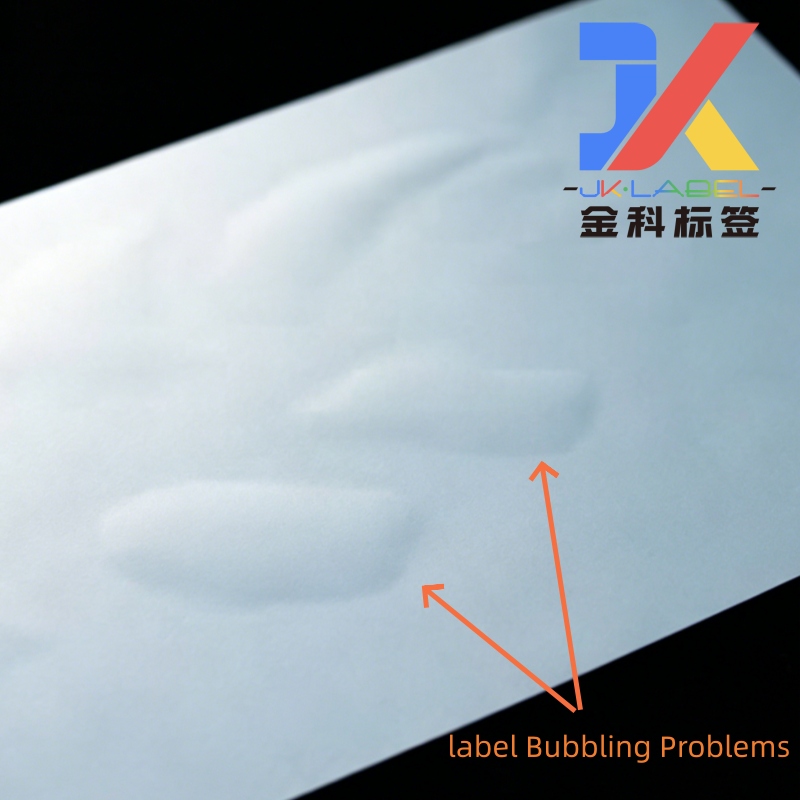
Label bubbling—those small air pockets or raised areas under a label—is a common issue that can seriously affect product appearance and performance. Whether you're in cosmetics, food, or beverage packaging, bubbling can lead to poor shelf appeal and even label failure.
In this blog, we’ll break down the main causes of label bubbling and how to effectively prevent it.
What Is Label Bubbling?
Label bubbling occurs when air, moisture, or gas gets trapped between the label adhesive and the surface. Over time, these trapped elements expand or shift, causing visible bubbles.
Common Causes of Label Bubbling
1. Surface Contamination
Dust, oil, moisture, or residue on the container surface can prevent proper adhesion.
Typical scenarios:
Cosmetic bottles with oil residue
Beverage bottles with condensation
Glass containers not fully dried
Solution:
Ensure the surface is clean, dry, and oil-free before labeling.
2. Incompatible Label Material
Some materials are not suitable for certain surfaces.
Examples:
Rigid materials applied on curved bottles
Paper labels used in humid environments
Solution:
Use flexible materials like PE or BOPP for curved or squeezable containers, especially in cosmetics and personal care.
3. Adhesive Mismatch
Not all adhesives perform the same under different conditions.
Common issues:
Weak adhesive → poor bonding
Incorrect adhesive for cold or wet environments
Solution:
Choose the right adhesive:
Permanent adhesive for long-term use
Removable adhesive for temporary labeling
Freezer-grade adhesive for low temperatures
4. Improper Labeling Pressure
Insufficient pressure during application can trap air underneath.
Typical in:
High-speed automatic labeling machines
Uneven application surfaces
Solution:
Adjust labeling machine settings to ensure even and sufficient pressure.
5. Temperature Differences
Applying labels in extreme temperatures can affect adhesive performance.
Examples:
Cold bottles taken directly from refrigeration
Hot-filled products
Solution:
Apply labels within the recommended temperature range, and allow products to acclimate before labeling.
6. Gas Release from Packaging (Outgassing)
Some plastic containers release gases after production, which can cause bubbles under the label.
Common in:
HDPE or molded plastic bottles
Solution:
Allow containers to rest before labeling, or use breathable adhesive materials.
How to Prevent Label Bubbling
✔ Clean and dry surfaces before labeling
✔ Select the right material for your container shape
✔ Match adhesive type with application environment
✔ Optimize labeling machine pressure and speed
✔ Control labeling temperature conditions
✔ Test labels under real-use conditions
Why Testing Matters
At JINKE LABEL, we recommend:
Lab testing (adhesion, temperature, oil resistance)
Application simulation
Real-use validation (humidity, refrigeration, transport)
This ensures your labels perform perfectly before mass production.
Final Thoughts
Label bubbling isn’t just a visual defect—it’s often a sign of material, adhesive, or process mismatch. The good news is that with the right approach, it can be completely avoided.
If you're facing bubbling issues or want to optimize your label performance, feel free to reach out. We’re happy to help you find the best solution for your product.
Need help choosing the right label material or adhesive? Contact us anytime for expert support.


 English



 +86 15805927008
 Sales Executivelinda@jinkelabel.com
 No.99 Tongfu Road, Tongan district, Xiamen, China.