English



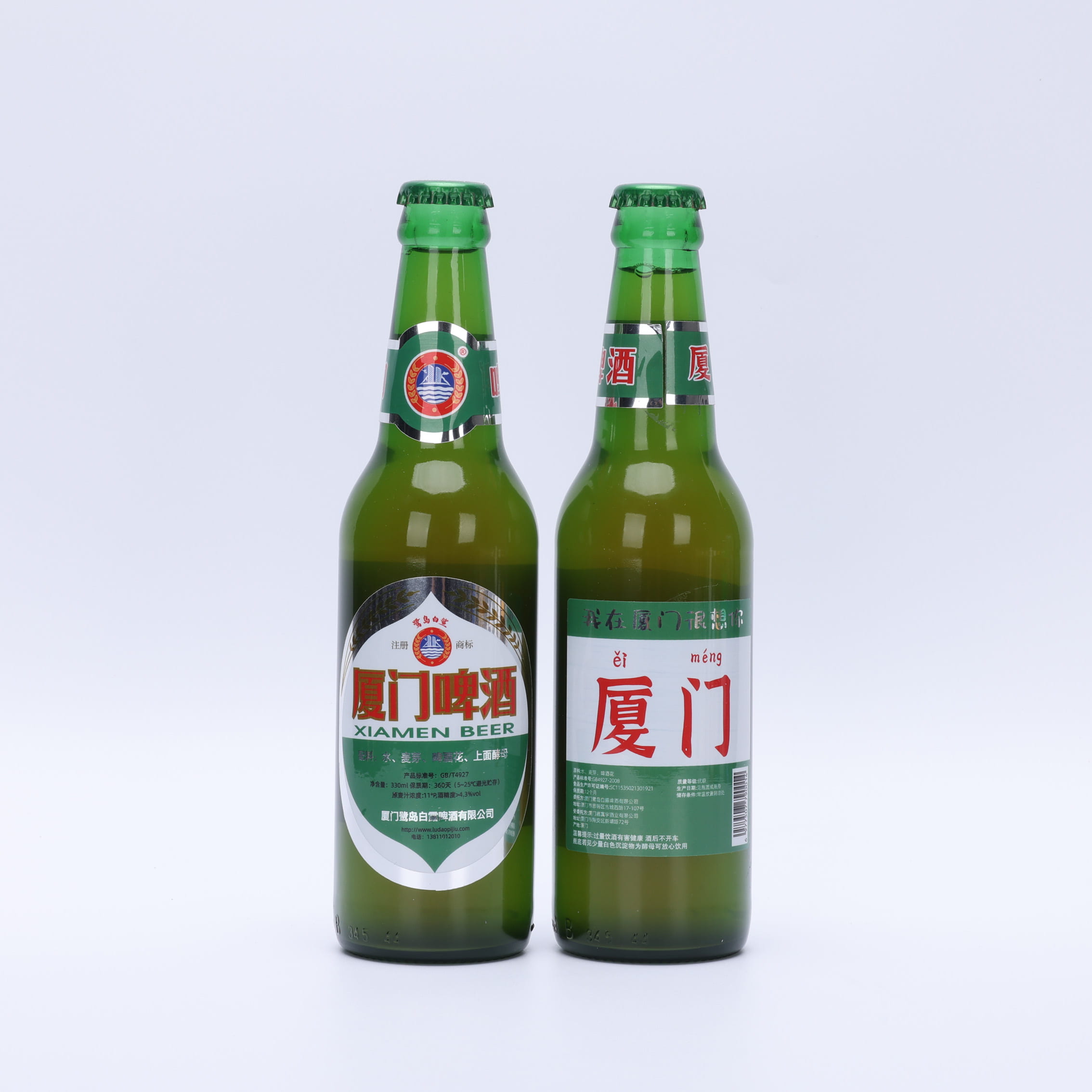
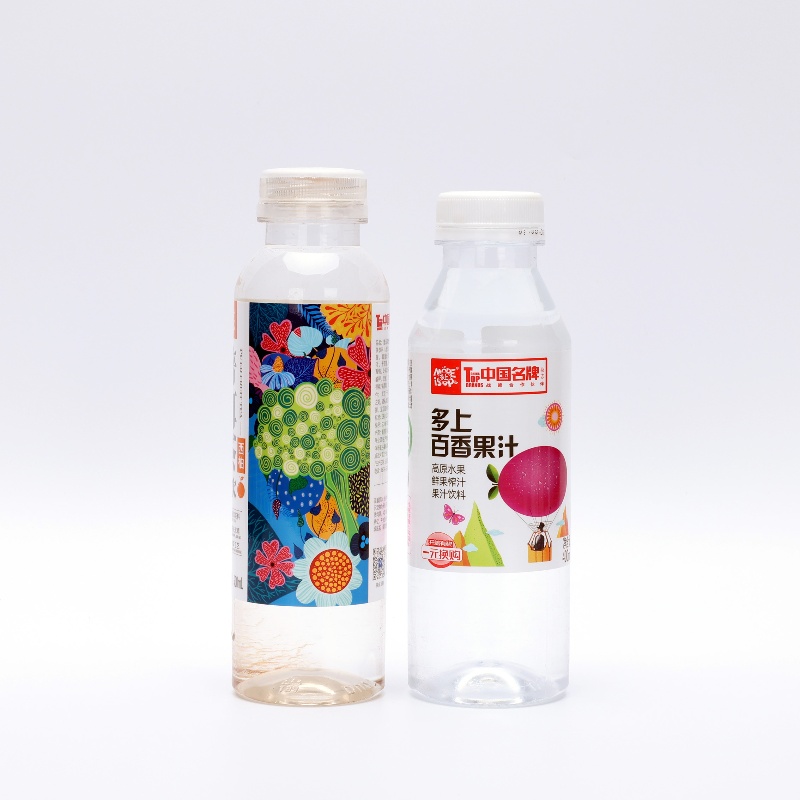
Juice packaging needs to look fresh and attractive while also withstanding moisture, refrigeration, condensation, and everyday handling. The right label can help protect product information, maintain a clean appearance, and strengthen brand recognition on the shelf.
For juice brands, choosing the right label material, adhesive, printing method, and finishing options is essential. This guide explains the most common label solutions for juice bottles and how to choose the right option for your product.
What Should You Consider When Choosing Juice Bottle Labels?
Before selecting a label, consider the following factors:
A label that performs well on a dry glass bottle may not perform the same way on a refrigerated PET bottle. Therefore, label materials and adhesives should be selected according to the actual application.
Best Materials for Juice Bottle Labels
1. BOPP Labels
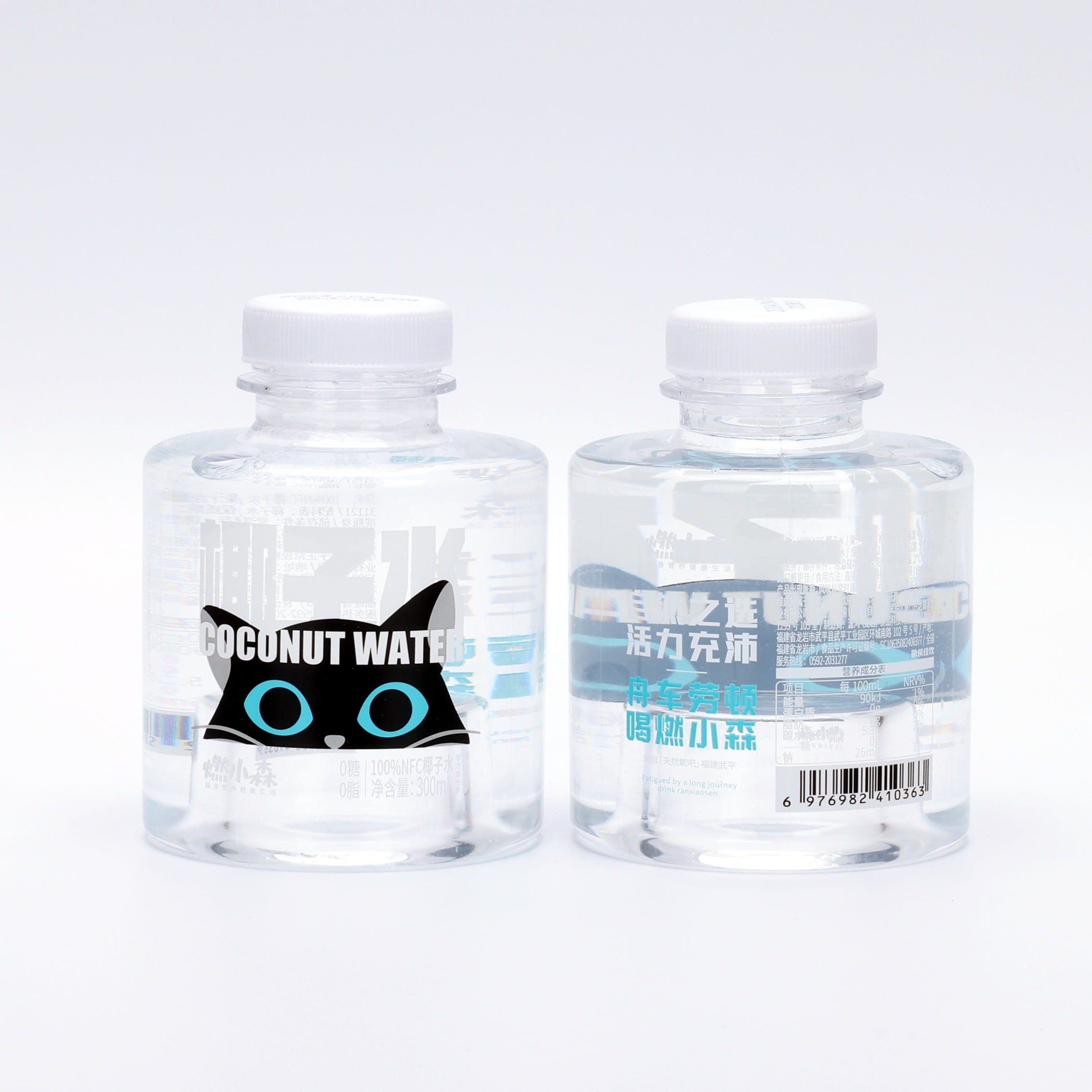
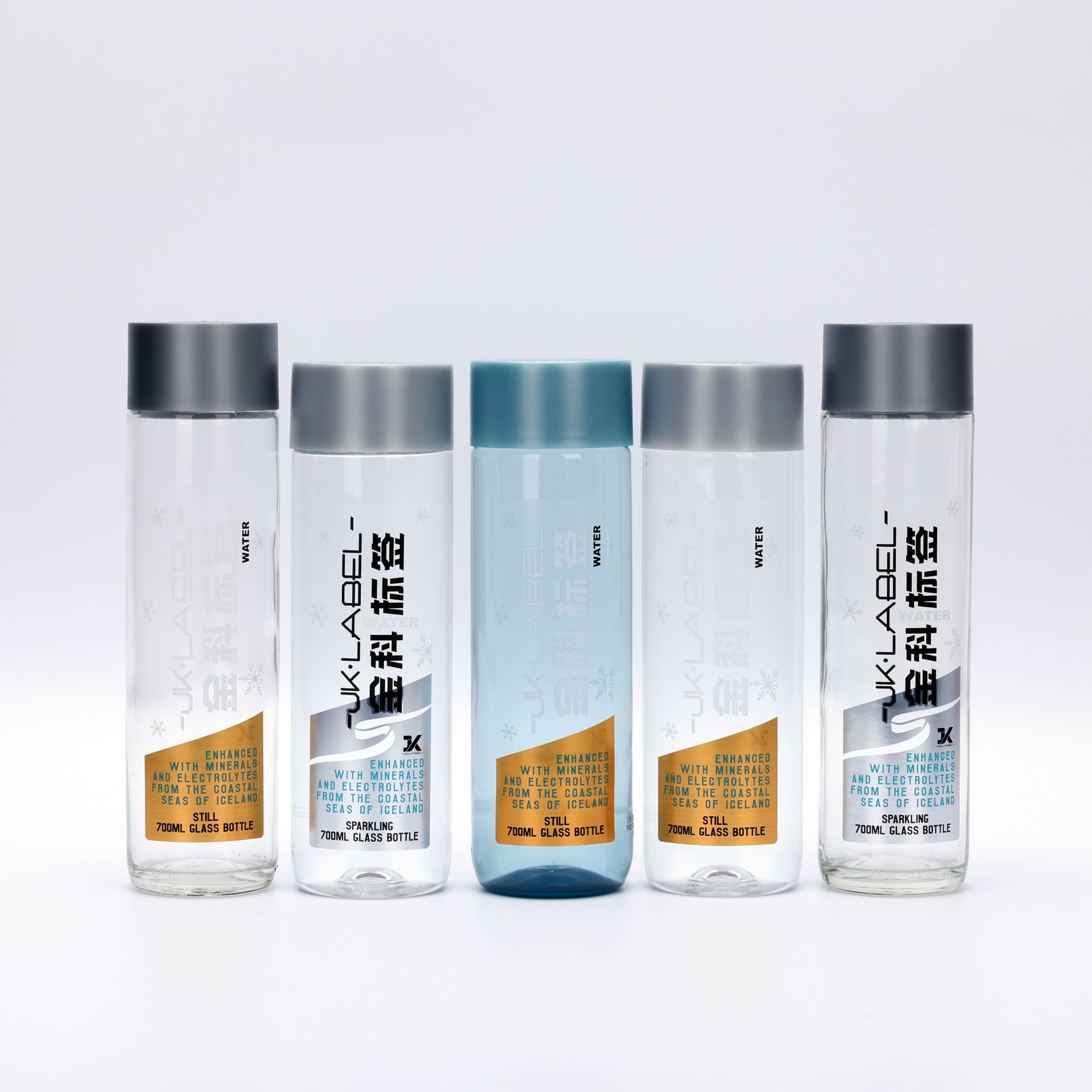
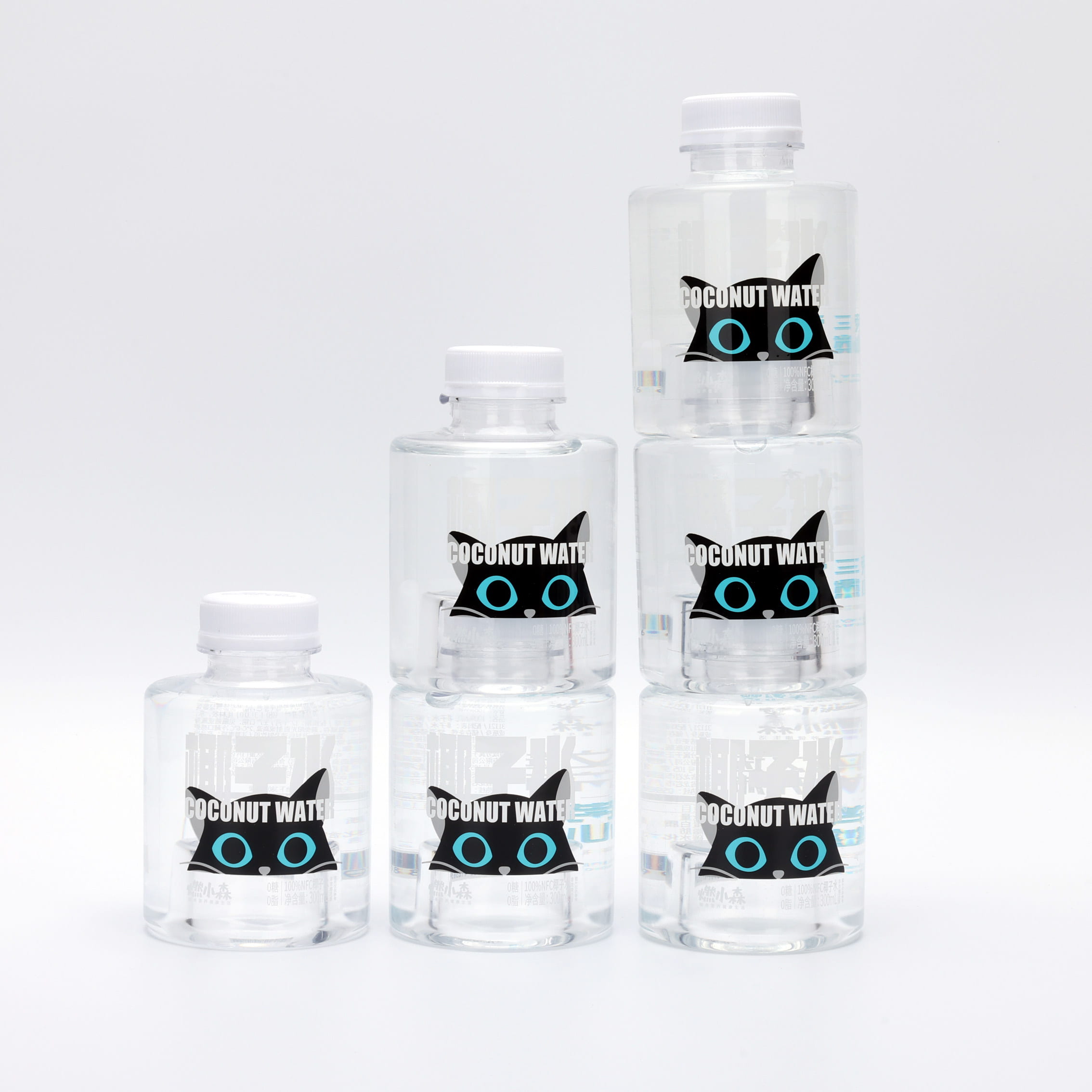
BOPP is one of the most popular materials for beverage bottle labels.
BOPP labels offer:
BOPP can be used for juice, flavored drinks, fruit beverages, functional drinks, and other bottled beverages.
For brands looking for a balance between durability, appearance, and production cost, BOPP is a practical choice.
2. PET Labels
PET labels provide excellent strength and dimensional stability and are suitable for beverage packaging that requires higher durability.
Advantages include:
PET is particularly suitable for brands looking for a durable and high-quality label solution.
3. Paper Labels
Paper labels remain a popular option for juice brands that want a traditional or natural packaging appearance.
Benefits include:
However, standard paper labels may not be suitable for prolonged exposure to water or condensation. For refrigerated juice products, a moisture-resistant material or protective coating may be a better choice.
What Adhesive Is Best for Juice Bottle Labels?
Material selection is only one part of label performance. The adhesive also needs to match the bottle surface and storage conditions.
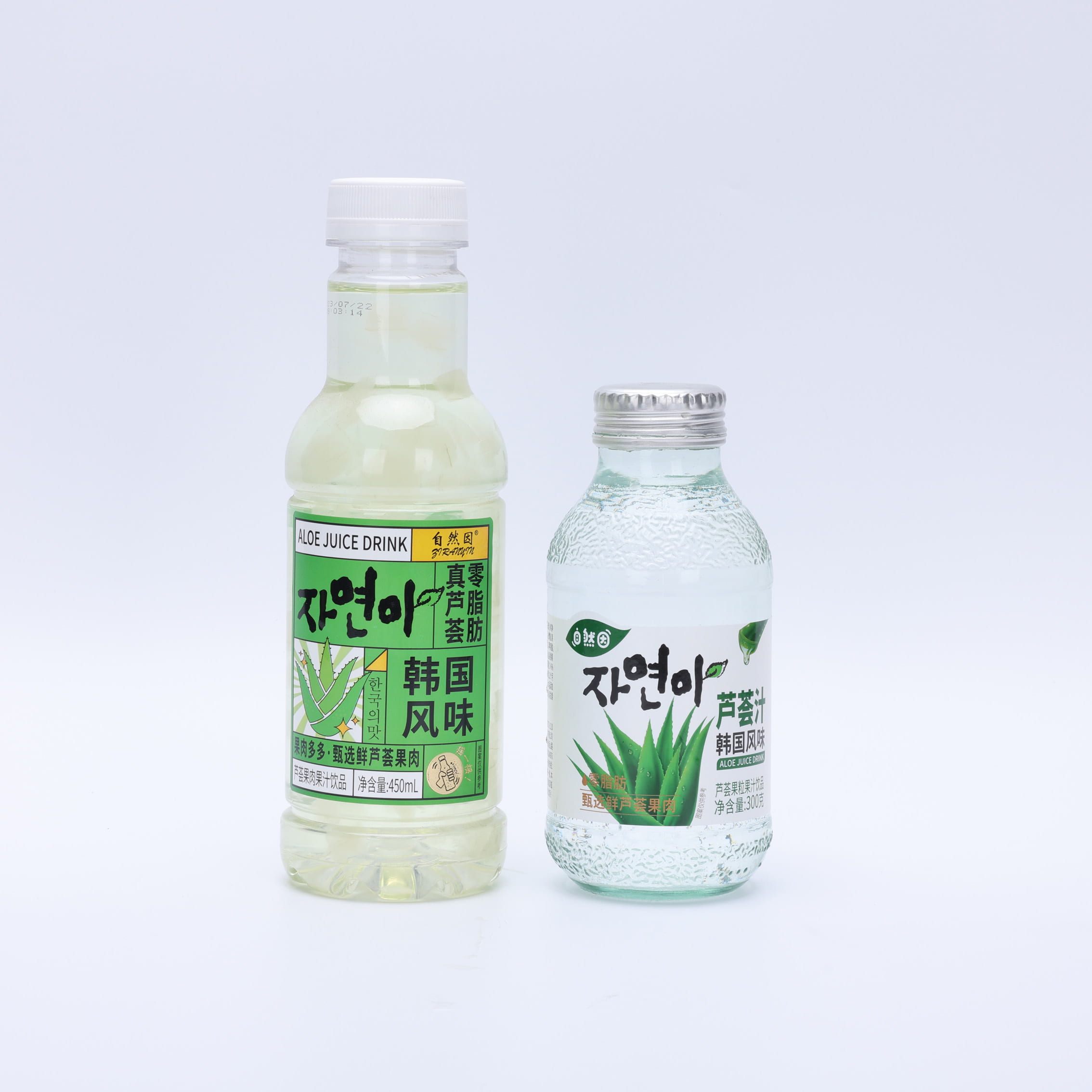
Juice bottles may be made from:
Each surface has different characteristics, so adhesive selection should be based on the actual bottle material.
For refrigerated beverages, the label may also encounter condensation. In this case, the adhesive should provide reliable adhesion under humid or cold conditions.
Before mass production, testing the label on the actual bottle under expected storage and application conditions is recommended.
Printing Options for Juice Bottle Labels
Juice packaging often uses colorful graphics to communicate freshness, flavor, and product positioning.
Flexographic Printing
Flexographic printing is suitable for large-volume label production and provides efficient, consistent printing performance.
It is commonly used when brands require:
Offset Printing
Offset printing can provide high-quality image reproduction and fine details.
It is suitable for labels with:
The best printing method depends on the label design, order quantity, and required print quality.
Special Finishes for Juice Bottle Labels
In addition to standard printing, special finishing techniques can help products stand out on retail shelves.
This is particularly suitable for premium juices, fruit drinks, and minimalist beverage packaging.
How to Choose the Right Label for Different Juice Bottles?
| Juice Bottle | Recommended Label Solution |
| PET juice bottle | BOPP or PET |
| Glass juice bottle | Paper, BOPP, or PET |
| Refrigerated juice | Moisture-resistant BOPP or PET |
| Premium juice | PET or transparent BOPP |
| Natural-style juice | Paper or textured materials |
| High-volume production | BOPP with flexographic printing |
The table provides general recommendations. The final material and adhesive should be confirmed according to the bottle surface, storage environment, labeling machine, and product requirements.
Common Problems with Juice Bottle Labels
Label Peeling: This can occur when the adhesive is not suitable for the bottle surface or when condensation affects adhesion.
Label Wrinkling: Wrinkling may be related to material selection, bottle shape, adhesive performance, or automatic labeling conditions.
Water Damage: Paper labels without suitable protection may become damaged after prolonged exposure to moisture.
Poor Label Positioning: For automatic labeling, factors such as label dimensions, roll direction, liner release, and machine settings can affect application accuracy.
Why Choose Jinke Label for Juice Bottle Labels?
Jinke Label provides customized label printing solutions for beverage brands.
We offer a wide range of materials, including BOPP, PET, paper, transparent film, metallic materials, and specialty label materials.
Our printing and finishing capabilities include:
We can recommend suitable materials and adhesives based on your bottle material, storage conditions, labeling method, and design requirements.
Conclusion
The best label for a juice bottle depends on more than appearance. Material, adhesive, printing method, bottle surface, storage conditions, and labeling process all influence the final result.
BOPP and PET are popular choices for moisture-resistant beverage labels, while paper can provide a natural and cost-effective appearance. For premium products, transparent labels, hot foil stamping, embossing, and other finishing options can create a distinctive packaging effect.
Choosing the right combination can help your juice labels remain attractive, durable, and suitable for your production process.
Looking for custom juice bottle labels? Contact Jinke Label with your bottle material, label size, quantity, and application requirements. Our team can recommend a suitable label solution for your product.
 +86 15805927008+86 15805928278
 Sales Executivelinda@jinkelabel.comSales Executiverosa@jinkelabel.comGeneral managerzane@jinkelabel.com
 No.99 Tongfu Road, Tongan district, Xiamen, China.

Our hours
Monday-Saturday: 8:00am-18:00pm