English



Choosing the right label material is an important part of product packaging. The label does more than display a logo or product information—it also affects how the packaging looks, how clearly the artwork is printed, and how the product is presented on the shelf.
Two common options for product packaging are clear labels and white labels. Clear labels create a transparent, no-label-look appearance, while white labels provide an opaque background that makes colors and text easier to control.
So, which one is better?
The answer depends on your packaging material, product appearance, artwork, application environment, and desired visual effect.
What Are Clear Labels?
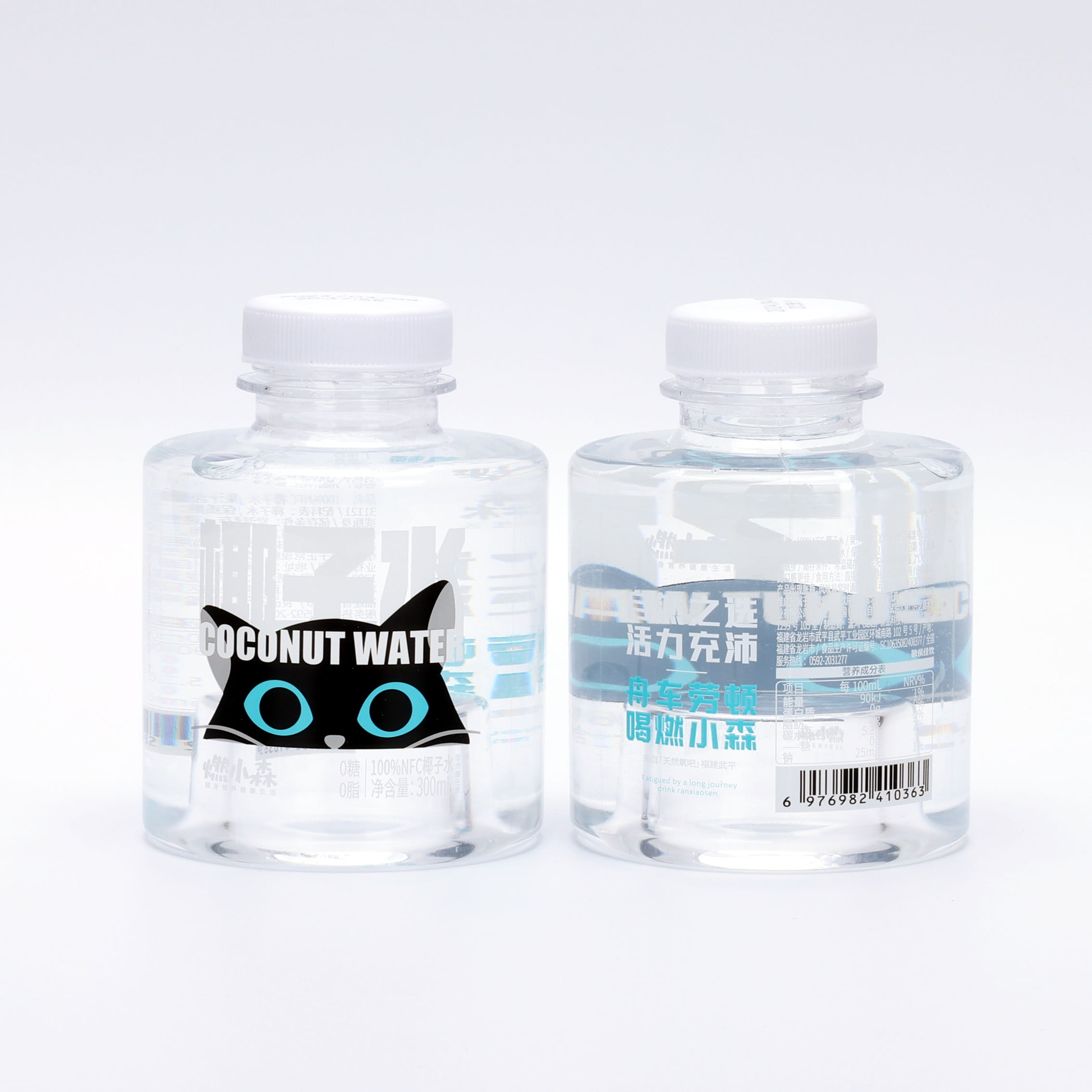
Clear labels are produced using transparent film materials such as clear BOPP or clear PET. The transparent substrate allows the surface underneath the label to remain visible.
This creates a clean and minimalist appearance where the printed design can appear to sit directly on the bottle, jar, or container.
Clear labels are commonly used for:
For example, a clear label on a transparent juice bottle allows the color of the juice to remain visible, while a clear cosmetic label can highlight the color or texture of the product inside.
What Are White Labels?
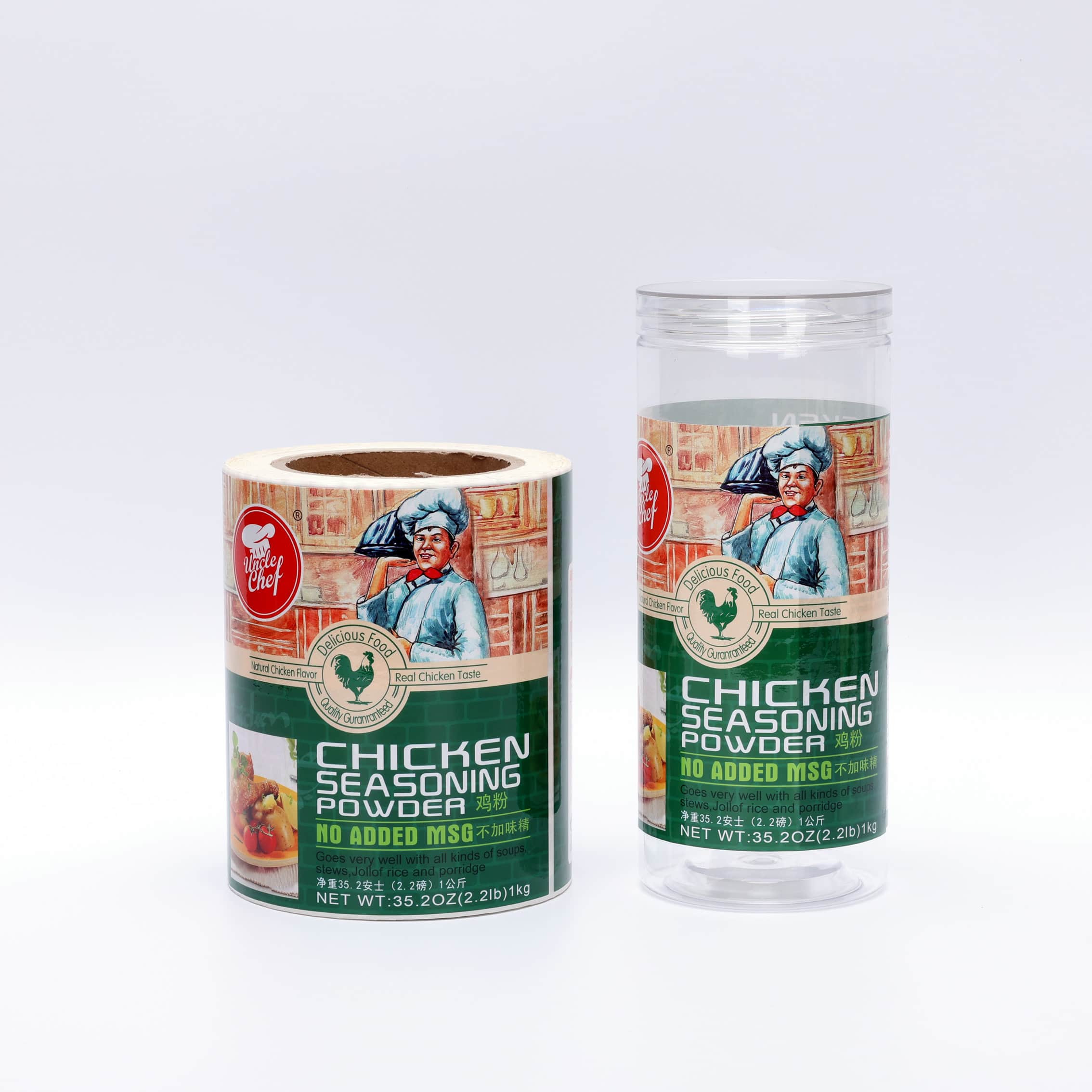
White labels use an opaque white face material, which creates a solid background behind the printed artwork.
Unlike clear labels, white labels do not allow the container or product underneath to show through. This gives the printer a consistent background for reproducing colors, text, logos, and other design elements.
White labels are commonly used for:
Because the white substrate provides a neutral background, artwork generally appears more consistent across different packaging surfaces.
Clear Labels vs White Labels: Key Differences
| Feature | Clear Labels | White Labels |
| Background | Transparent | Opaque white |
| Visual effect | No-label look | Traditional label appearance |
| Product visibility | Product/container remains visible | Product/container is covered |
| Color reproduction | Depends on background | More predictable |
| White artwork | Usually requires white ink | White substrate provides the background |
| Best for | Glass and transparent packaging | Most opaque packaging |
| Design style | Minimal and premium | Bold and highly visible |
| Application | Requires careful application | Generally more forgiving |
1. Clear Labels Create a No-Label Look
One of the biggest advantages of clear labels is their ability to create a no-label look.
Instead of seeing a clearly defined white label area, customers see the bottle or container underneath. This works particularly well when the packaging itself is attractive.
For example:
Clear glass bottle + clear label + simple artwork
can create a clean and modern appearance.
This approach is popular for beverages, cosmetics, skincare products, sauces, and other products where the packaging or product itself is part of the visual identity.
2. White Labels Provide Stronger Color Contrast
White labels are often the safer option when strong color contrast and easy readability are important.
The white substrate provides a consistent background for printed colors. This is particularly useful for:
For products with dark, colorful, kraft, or patterned packaging, a white label can also make the artwork easier to read.
3. Clear Labels May Require White Ink
One important consideration when choosing clear labels is white ink.
On a white label, areas that appear white in the artwork can use the white substrate as the background.
With a clear label, there is no white substrate underneath. If white ink is not used, white areas in the artwork may appear transparent instead.
For example, if you print a white logo on a clear label without white ink, the logo may not have the expected visibility.
White ink can be used:
This gives designers more control over the final appearance of the label.
4. The Color of the Container Matters
The same clear label design can look very different when applied to different containers.
A design printed on clear film may look different on:
This is because the container becomes part of the visual background.
For example, a yellow printed element on a dark-colored container may appear less vibrant than the same element printed on a white label.
Therefore, when using clear labels, it is important to evaluate the label and container together, rather than reviewing the artwork alone.
5. Clear Labels Require More Attention During Application
Clear labels can also make application imperfections more noticeable.
Air bubbles, dust, wrinkles, fingerprints, and uneven application may be easier to see through transparent film.
This is particularly important for products using:
The label material, adhesive, bottle surface, and application conditions should therefore be considered together.
6. Which Label Should You Choose?
There is no single material that is suitable for every product.
Choose clear labels when:
Choose white labels when:
Can You Combine Clear and White Effects?
Yes.
A clear film label does not necessarily need to be completely transparent.
By using white ink selectively, different areas of the label can have different levels of opacity.
For example:
This allows brands to combine the visual advantages of clear packaging with the readability of a white label.
Clear BOPP or Clear PET: Which Material Should You Use?
Clear BOPP and clear PET are both commonly used for film labels, but the appropriate material depends on the application.
Clear BOPP is widely used for beverage, food, personal care, and general product labels where moisture resistance and flexibility are important.
Clear PET can be considered when higher dimensional stability or a more rigid film is required.
The final choice should also take into account the container material, label size, application method, storage conditions, and adhesive requirements.
Final Thoughts
Clear and white labels are not simply two different colors of label material. They create different packaging effects and require different approaches to artwork and printing.
Clear labels are a strong choice when you want the bottle, container, or product itself to remain visible and create a clean no-label look.
White labels are generally more suitable when you need strong contrast, predictable color reproduction, and easy readability.
Before selecting the material, consider the complete packaging system—including the container, artwork, adhesive, application method, and final appearance.
At Jinke Label, we can provide customized clear and white film labels for different packaging applications. Depending on your product and design, we can also evaluate material selection, white ink requirements, printing methods, and finishing options to help you choose a suitable label solution.
 +86 15805927008+86 15805928278
 Sales Executivelinda@jinkelabel.comSales Executiverosa@jinkelabel.comGeneral managerzane@jinkelabel.com
 No.99 Tongfu Road, Tongan district, Xiamen, China.

Our hours
Monday-Saturday: 8:00am-18:00pm