Apr 20, 2026
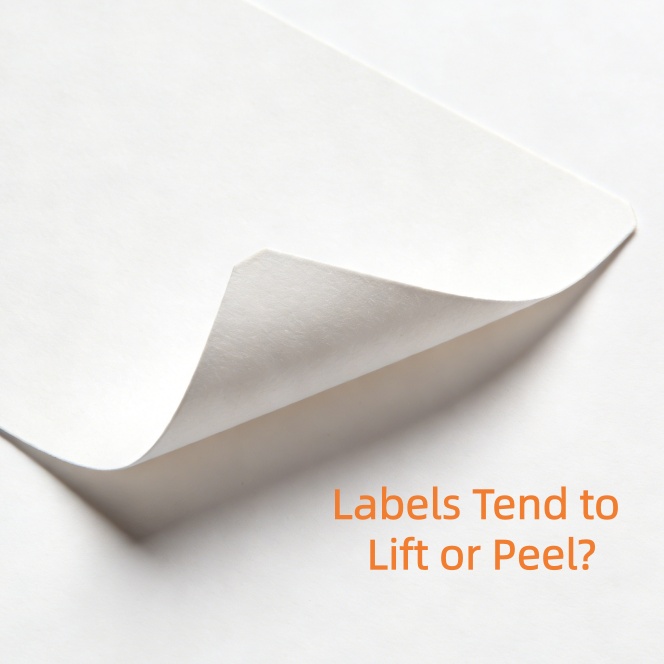
Labels are meant to stay put—through transport, storage, and real-world use. Yet in many industries like food, beverage, cosmetics, and chemicals, label failure is a common (and costly) issue. Peeling edges, bubbling, or complete detachment can damage brand image and even disrupt operations.
In this article, we break down the most common reasons why labels fall off—and how to fix them effectively.
1. Poor Surface Compatibility
Not all surfaces are label-friendly. Materials like low surface energy plastics (e.g., PE, PP), textured containers, or oily surfaces make it difficult for adhesives to bond properly.
Solution:
Choose adhesives designed for challenging surfaces, such as high-tack or specialty adhesives. Surface testing before production is highly recommended.
2. Inappropriate Adhesive Selection
Using the wrong adhesive is one of the top causes of label failure. For example, a standard adhesive may not perform well in freezing conditions or high temperatures.
Solution:
Match the adhesive to the application environment:
Freezer-grade adhesive for cold storage
Heat-resistant adhesive for high-temperature exposure
Removable adhesive for temporary labeling
3. Environmental Factors
Humidity, temperature fluctuations, and exposure to water, oil, or chemicals can weaken adhesion over time.
Solution:
Select materials and adhesives that are resistant to:
Moisture and condensation
Oil and chemicals
UV exposure (for outdoor use)
4. Application Issues
Even with the right materials, improper application can lead to failure. Common issues include:
Applying labels on dusty or wet surfaces
Uneven pressure during application
Misalignment in automatic labeling machines
Solution:
Ensure:
Clean, dry surfaces before application
Proper pressure and speed settings on labeling machines
Correct label size and shape for your equipment
5. Incompatible Label Material
Some label materials shrink, expand, or lose flexibility under certain conditions, causing them to peel away.
Solution:
Use the right material for your application:
Film materials (PP, PE) for flexibility and durability
Paper materials for cost-effective indoor use
Laminated or coated labels for extra protection
6. Storage and Handling Problems
Labels stored in poor conditions (high humidity, heat, or direct sunlight) may lose adhesive performance before use.
Solution:
Store labels in a cool, dry environment
Avoid prolonged exposure to sunlight
Use labels within the recommended shelf life
Final Thoughts
Label failure is rarely caused by a single factor—it’s usually a combination of material, adhesive, environment, and application. The key to preventing labels from falling off is choosing the right combination and validating it under real-use conditions.
If you're experiencing label issues, working with an experienced label manufacturer can help identify the root cause and provide a tailored solution.


 English






 +86 15805927008
 Sales Executivelinda@jinkelabel.com
 No.99 Tongfu Road, Tongan district, Xiamen, China.