English



When traditional paper labels are not suitable for environments with moisture, friction, or outdoor exposure, synthetic paper labels provide a practical alternative. Combining the appearance of paper with the durability of plastic materials, synthetic paper labels are widely used in food, beverage, cosmetics, healthcare, logistics, and industrial applications.
This guide explains what synthetic paper labels are, their advantages, common applications, and available printing options to help you choose the right label solution for your products.
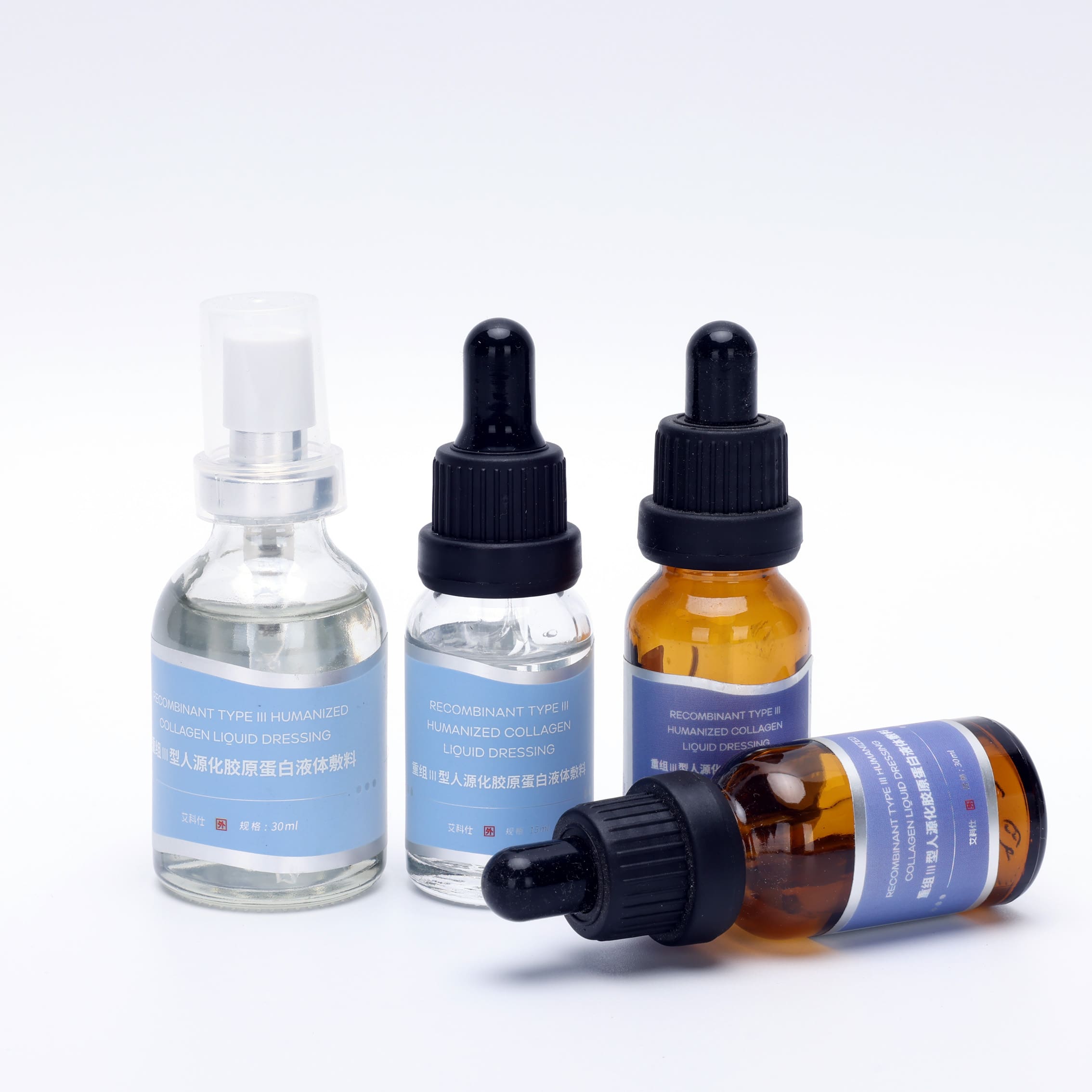
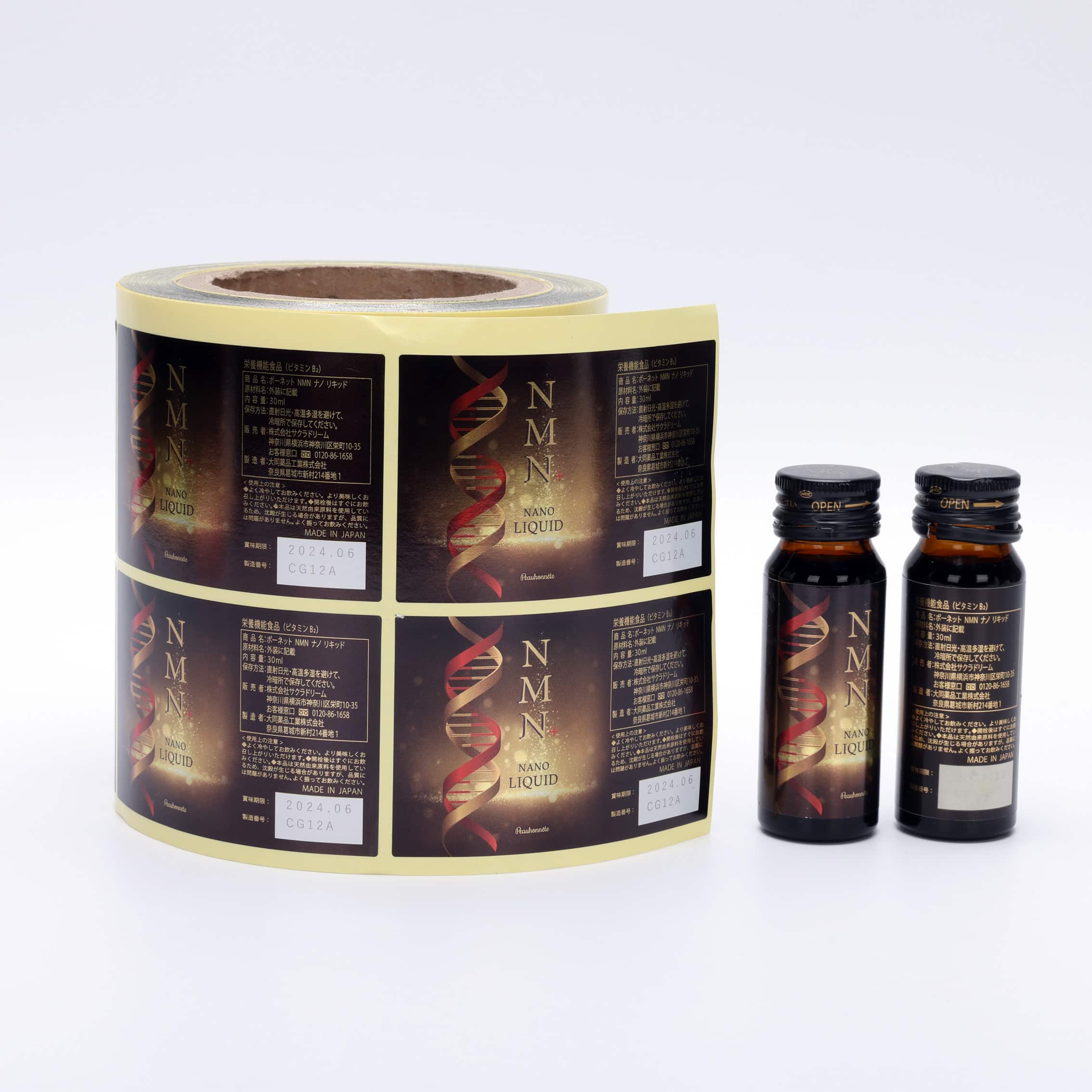
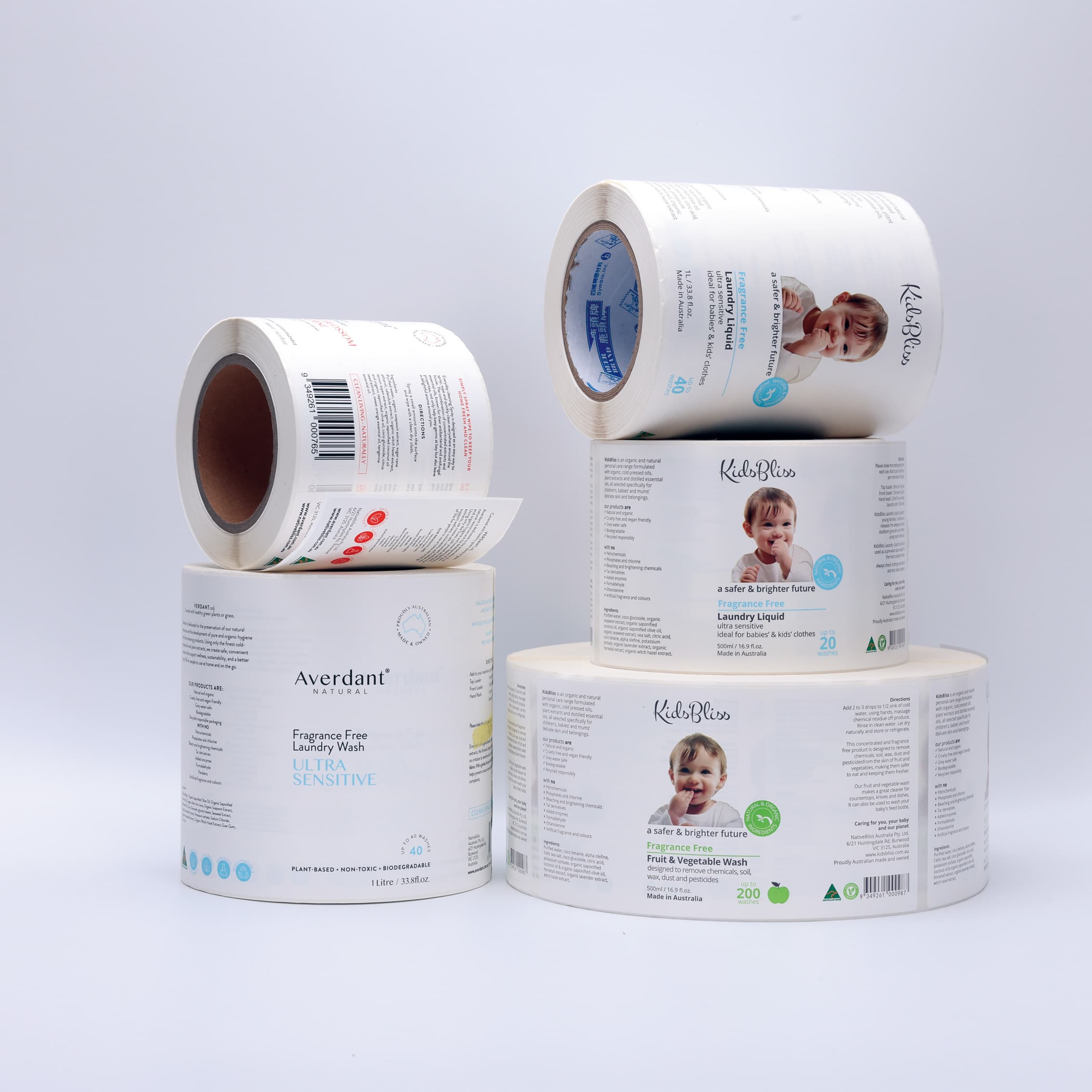
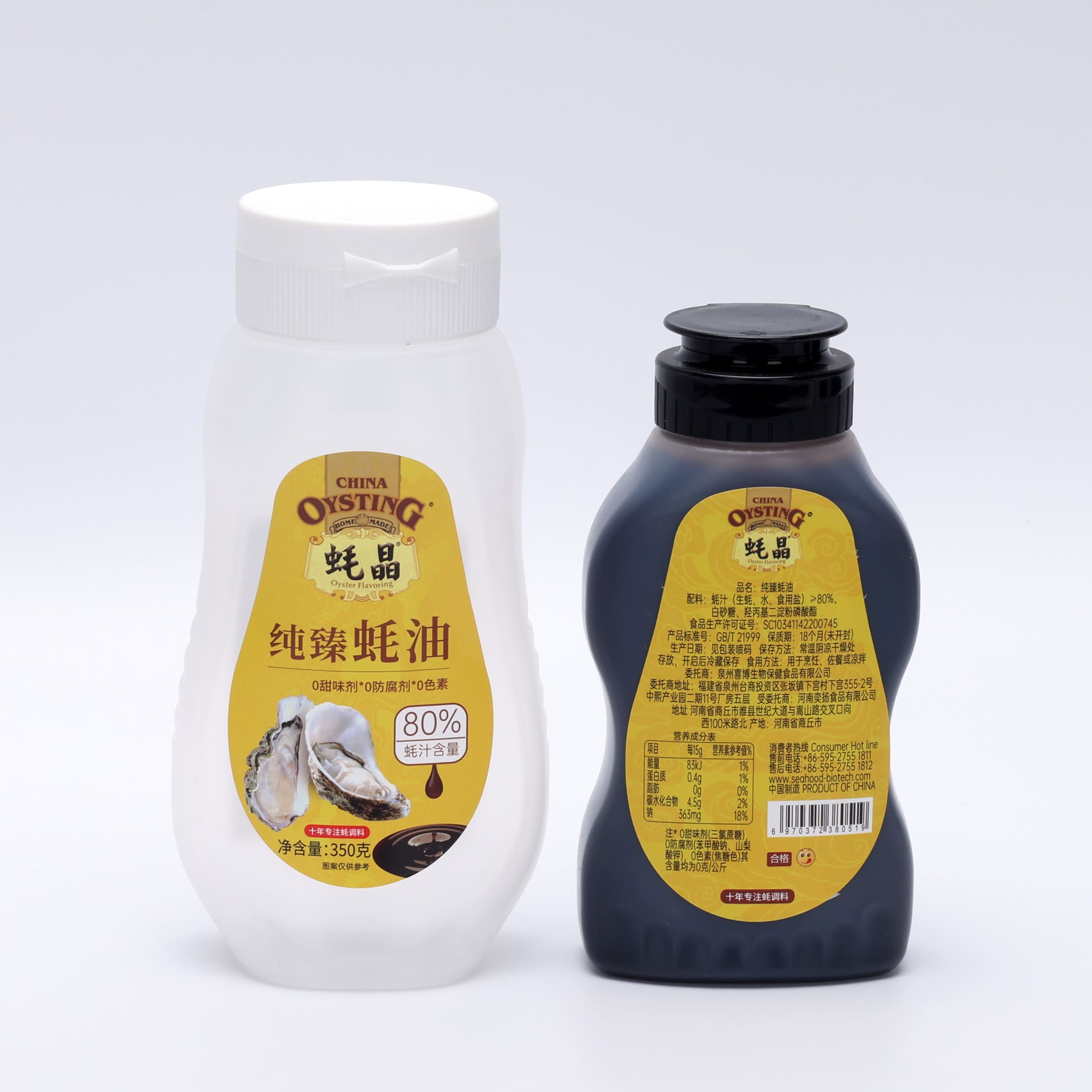
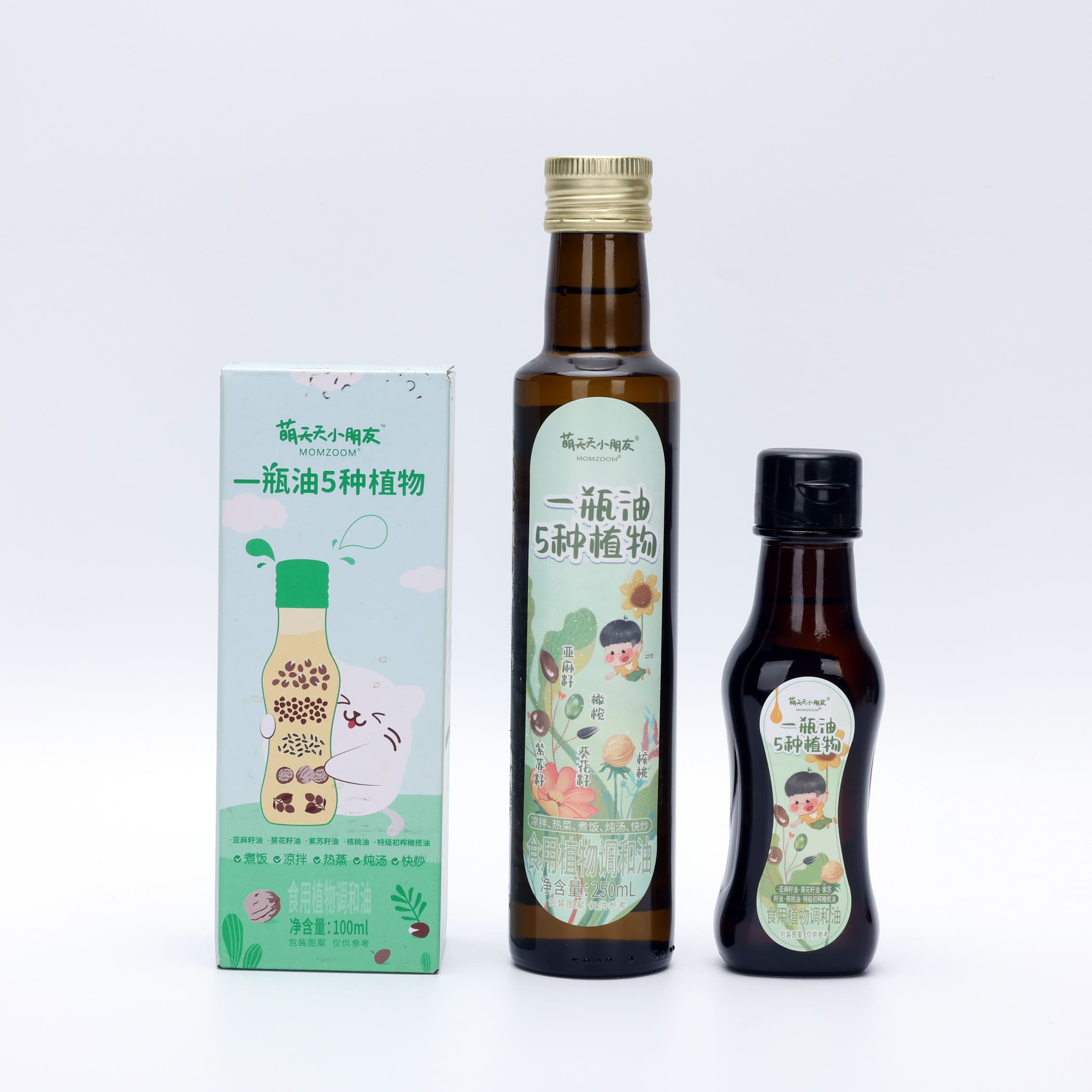
What Are Synthetic Paper Labels?
Synthetic paper labels are made from plastic-based materials, usually polypropylene (PP) or polyethylene (PE), which are processed to create a paper-like surface.
Unlike traditional coated paper labels, synthetic paper does not absorb water easily and offers better resistance against tearing, chemicals, and environmental changes.
Common synthetic paper label materials include:
These materials can be printed using different printing technologies while maintaining excellent appearance and performance.
Advantages of Synthetic Paper Labels
1. Waterproof and Moisture Resistant
One of the biggest advantages of synthetic paper labels is their resistance to water and humidity.
They are suitable for products exposed to:
Common applications include beverage bottles, chilled food packaging, and bathroom products.
2. Tear Resistant and Durable
Unlike regular paper labels, synthetic paper labels have excellent strength and flexibility.
They are less likely to:
This makes them suitable for products requiring long-lasting identification.
3. Better Resistance to Oil and Chemicals
Synthetic paper labels can withstand contact with oils, cleaning agents, and certain chemicals better than conventional paper labels.
They are often used for:
4. Excellent Printing Performance
Synthetic paper provides a smooth printing surface, allowing manufacturers to achieve:
It can also be combined with different finishing options to create unique packaging effects.
Synthetic Paper Labels vs Coated Paper Labels
| Feature | Synthetic Paper Labels | Coated Paper Labels |
| Water Resistance | Excellent | Limited |
| Tear Resistance | High | Low |
| Surface Feel | Paper-like | Natural paper texture |
| Outdoor Use | Suitable | Not recommended |
| Cost | Higher | More economical |
| Common Applications | Beverage, cosmetics, industrial products | Dry goods, general packaging |
Synthetic paper is a better choice when label durability is more important than the lowest material cost.
Common Applications of Synthetic Paper Labels
Food and Beverage Labels
Synthetic paper labels are widely used for products exposed to refrigeration and moisture, including:
Their waterproof properties help maintain label appearance throughout the product lifecycle.
Cosmetic and Personal Care Labels
Cosmetic packaging often requires labels that remain attractive despite contact with water, oils, or frequent handling.
Synthetic paper labels are commonly used for:
Healthcare and Pharmaceutical Labels
For medical and healthcare products, labels need to remain readable and durable.
Synthetic paper can provide:
Logistics and Industrial Labels
Synthetic paper labels are also used for:
Chemical product labels
Their durability makes them suitable for demanding environments.
Printing Options for Synthetic Paper Labels
Synthetic paper labels support various printing and finishing technologies.
Flexographic Printing
Flexographic printing is suitable for large-volume label production.
Advantages:
Digital Printing
Digital printing is ideal for:
It allows faster production without traditional plate preparation.
Finishing Options
Synthetic paper labels can be enhanced with different finishing processes:
These processes can improve both appearance and functionality.
How to Choose the Right Synthetic Paper Label?
Before selecting synthetic paper labels, consider:
Product Environment
Ask:
Application Method
Consider:
Printing Requirements
Choose based on:
A professional label manufacturer can recommend the most suitable material and adhesive combination based on your application.
Why Choose Jinke for Synthetic Paper Labels?
As a custom label manufacturer, Jinke provides synthetic paper label solutions for food, beverage, cosmetics, healthcare, and industrial applications.
Our production capabilities include:
We help customers select suitable materials, adhesives, and printing processes according to their product requirements.
FAQ
Are synthetic paper labels waterproof?
Yes. Synthetic paper labels are designed to resist water and moisture, making them suitable for refrigerated and humid environments.
Can synthetic paper labels be used on plastic bottles?
Yes. Synthetic paper labels can be used on many plastic surfaces, including PET, PP, and HDPE bottles, with the correct adhesive selection.
Are synthetic paper labels recyclable?
The recyclability of synthetic paper labels depends on the material structure and the recycling system available in different regions.
What is the difference between synthetic paper and BOPP labels?
Synthetic paper has a paper-like appearance and texture, while BOPP labels provide a more plastic film appearance with higher transparency options.
 +86 15805927008+86 15805928278
 Sales Executivelinda@jinkelabel.comSales Executiverosa@jinkelabel.comGeneral managerzane@jinkelabel.com
 No.99 Tongfu Road, Tongan district, Xiamen, China.

Our hours
Monday-Saturday: 8:00am-18:00pm