English



Food packaging labels are exposed to more than just water and humidity. During filling, transportation, storage, and everyday use, they may come into contact with cooking oil, sauces, grease, and other oily substances.
For products such as olive oil, cooking oil, chili sauce, salad dressing, and condiment bottles, ordinary labels may become stained, lose their appearance, or experience adhesion problems after repeated handling.
Choosing the right label material, adhesive, and surface protection is essential for maintaining label appearance and performance.
In this article, we discuss the key considerations when selecting oil-resistant labels for food packaging.
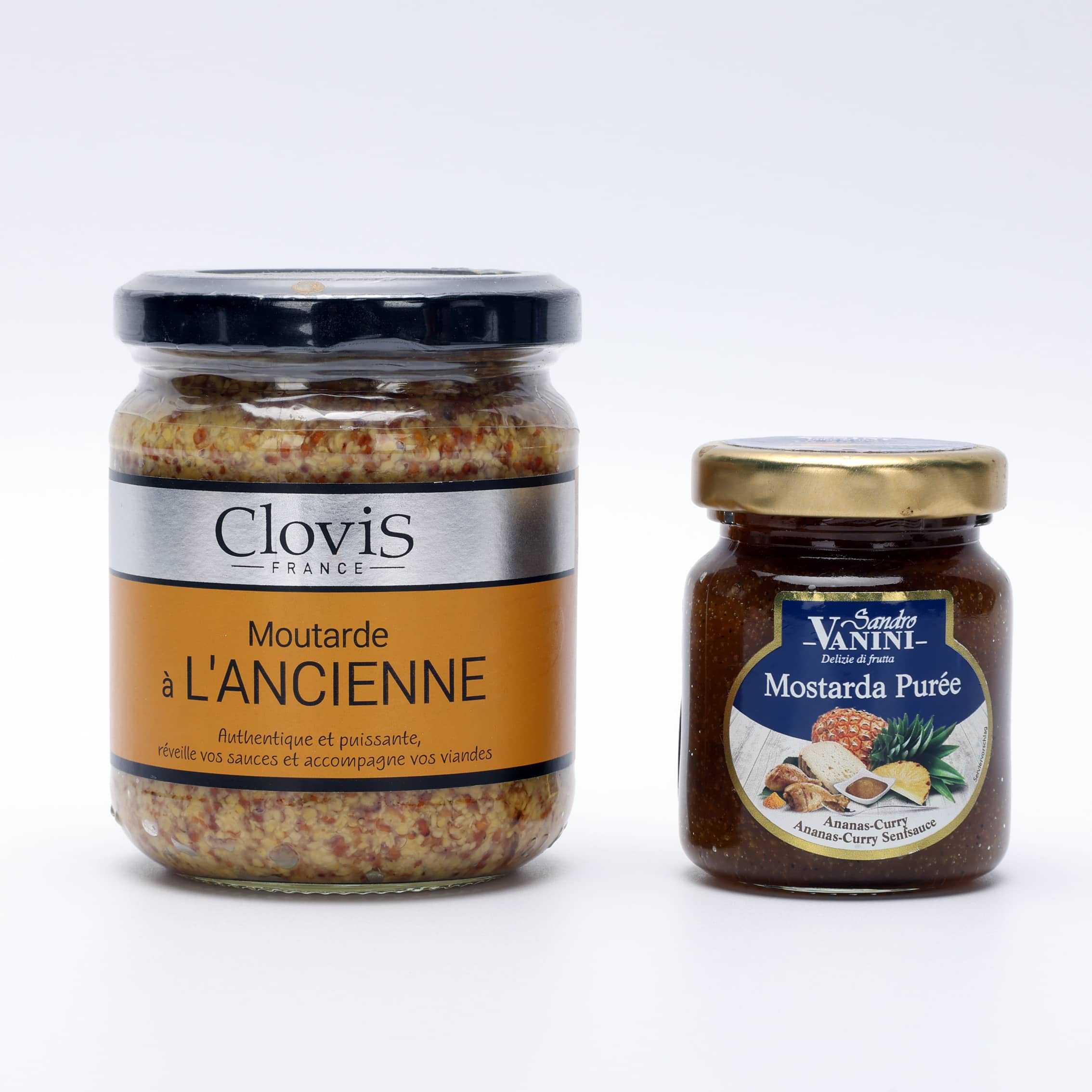
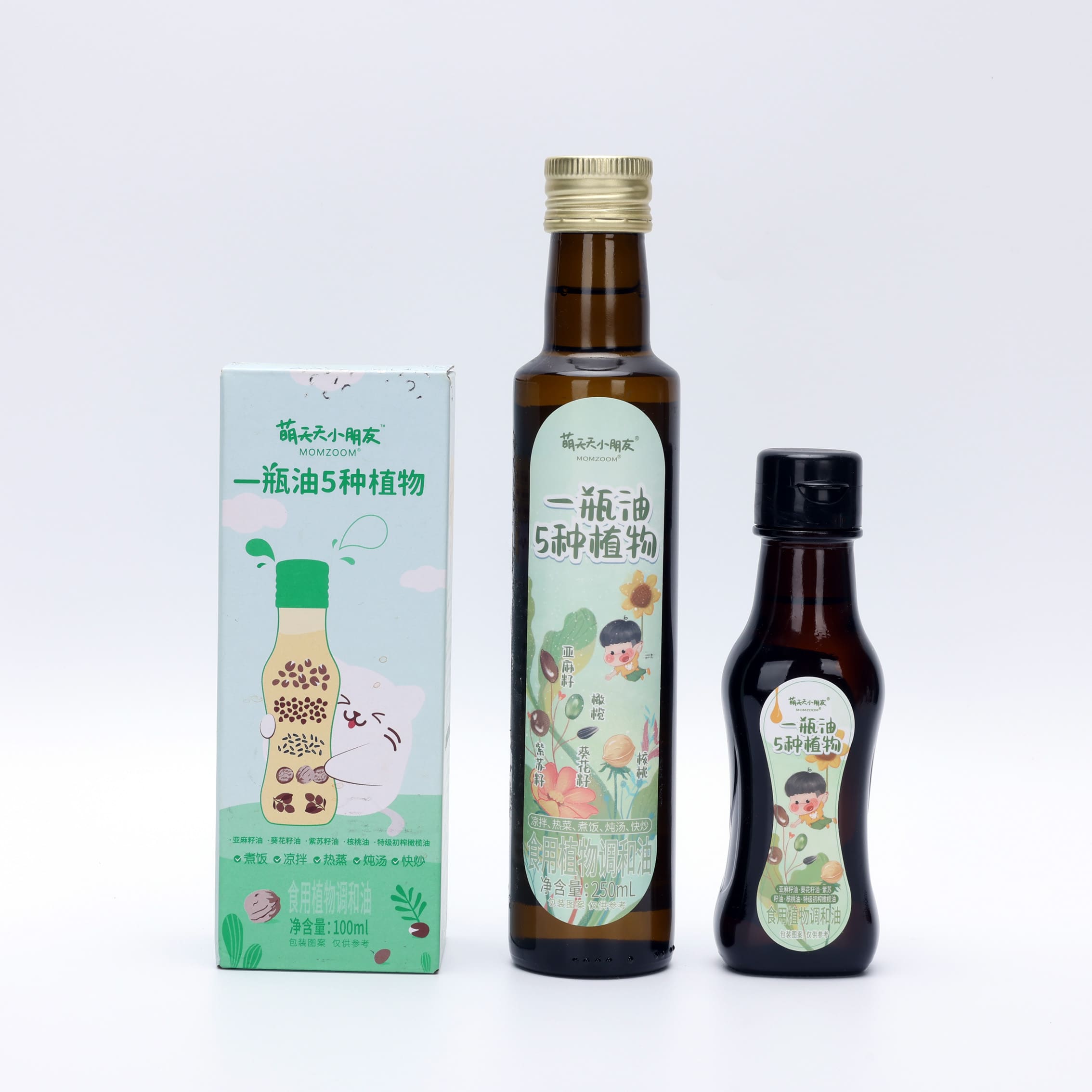
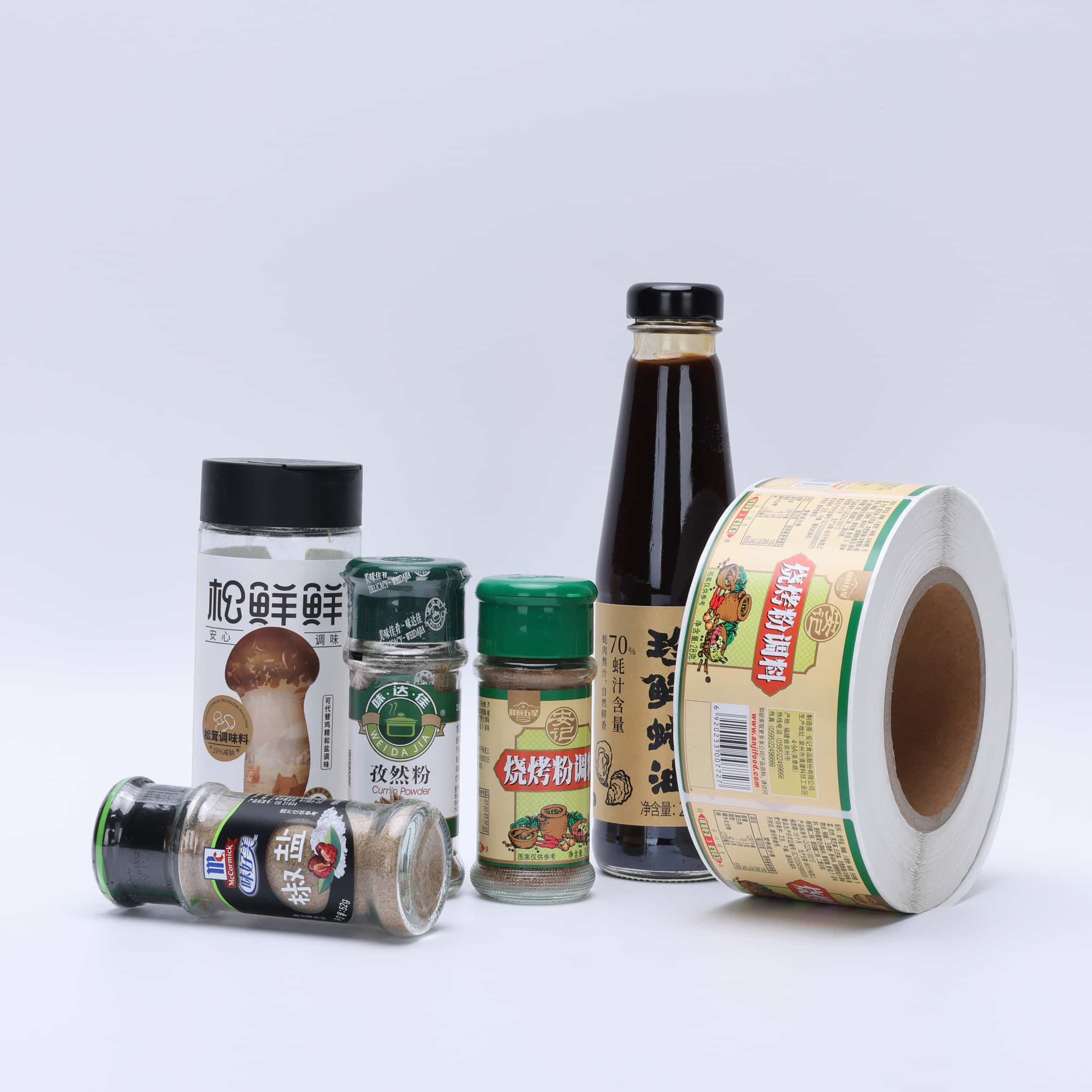
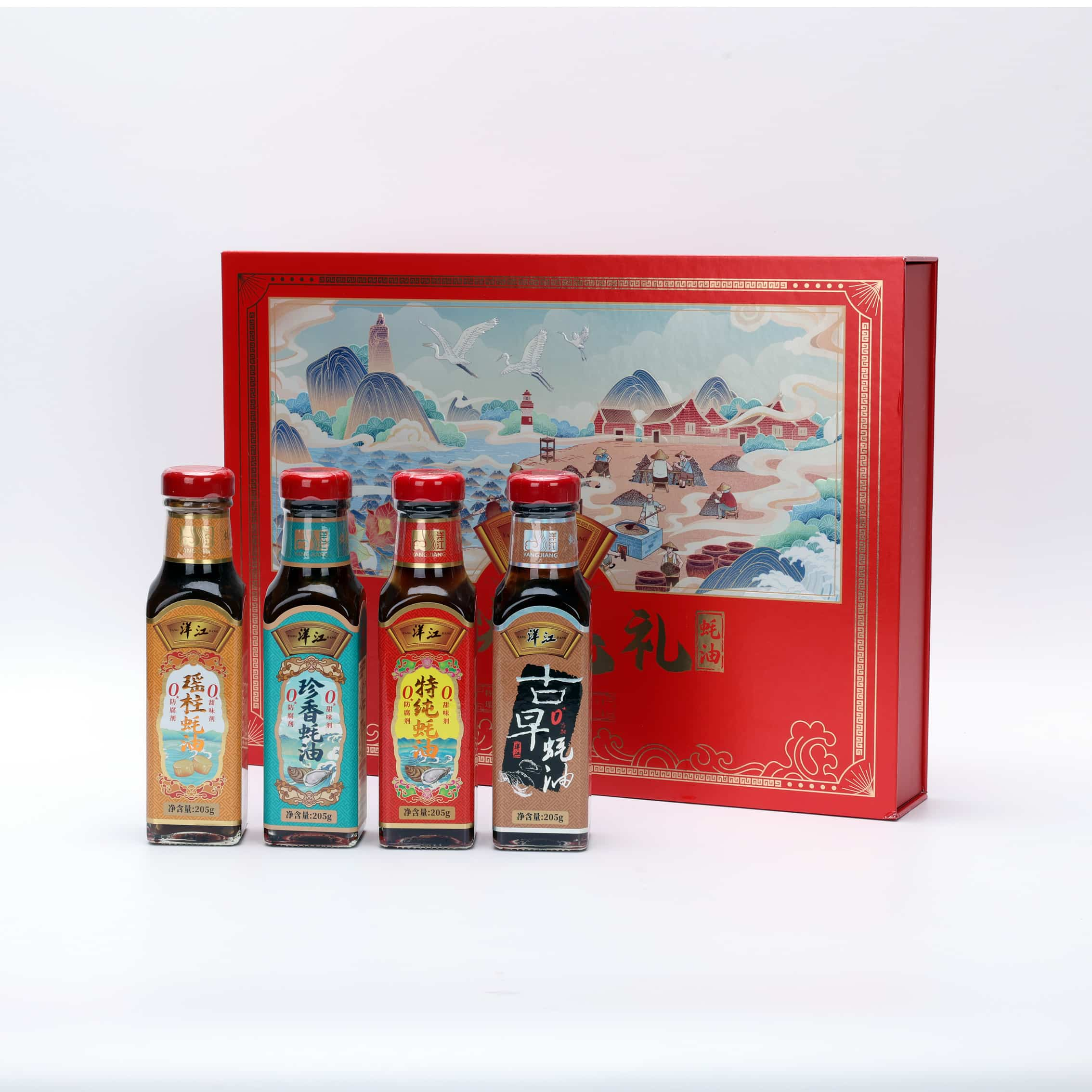
1. Why Do Food Packaging Labels Need Oil Resistance?
Oil exposure can affect both the appearance and performance of product labels.
Common problems include:
Oil Stains on the Label Surface
When oil comes into contact with an unprotected paper label, it may penetrate the material and create visible stains. This can affect the appearance of product information and brand graphics.
Reduced Adhesion
Oil contamination between the label and packaging surface can interfere with adhesive bonding. Labels may begin to lift at the edges or detach from the container.
Damage During Handling
Food products are frequently handled during filling, transportation, retail display, and consumer use. Repeated contact with oily hands or surfaces can affect the label's appearance over time.
Reduced Readability
If printed information becomes stained or damaged, important details such as product names, ingredients, barcodes, and QR codes may become difficult to read.
For these reasons, oil resistance should be considered when selecting labels for food products.
2. Recommended Materials for Oil-Resistant Food Labels
The choice of face material is one of the most important factors affecting label performance.
Different materials offer different levels of durability and suitability.
BOPP (Biaxially Oriented Polypropylene)
BOPP is widely used for food and beverage packaging labels.
Its film structure offers good resistance to water and many common oils, making it suitable for products such as:
BOPP labels are available in white, transparent, and metallic finishes.
They also provide a smooth printing surface for colorful graphics and product information.
PET (Polyester) Film
PET film offers good dimensional stability, strength, and resistance to moisture and many chemicals.
It is suitable for food packaging applications that require a durable label structure, especially when labels may experience frequent handling or more demanding conditions.
PET labels can be considered for:
Synthetic Paper
Synthetic paper combines a paper-like appearance with the durability of a plastic-based material.
Compared with ordinary paper, it generally offers better resistance to water, tearing, and handling damage.
It can be considered for food packaging that requires a paper-like appearance while maintaining better durability.
Coated Paper with Protective Finishing
Coated paper can be used for food packaging where visual appearance and printing quality are important.
However, ordinary paper is more vulnerable to oil penetration.
For applications involving frequent oil contact, additional surface protection such as suitable varnish or lamination should be evaluated. Actual performance depends on the complete material construction and the level of oil exposure.
3. Why Adhesive Selection Is Equally Important
Selecting an oil-resistant face material does not automatically mean the label will remain securely attached.
The adhesive must also be compatible with the packaging surface and application conditions.
Consider the following factors:
Packaging Material
Glass, PET, HDPE, and PP containers have different surface characteristics. Some plastic surfaces, particularly PE and PP, can be more challenging for adhesive bonding.
Surface Cleanliness
Oil or grease on the container before labeling can reduce adhesive contact and lead to poor bonding.
For best results, the packaging surface should be clean, dry, and free from contamination before label application.
Application Conditions
The temperature and condition of the container during labeling can affect initial adhesion.
If bottles are labeled immediately after filling, it is important to confirm whether the surface temperature and any condensation are compatible with the selected adhesive.
Long-Term Performance
Labels should be evaluated under actual storage and handling conditions rather than relying only on the initial adhesion result.
For oily food packaging, the adhesive, face material, and container surface should be tested together.
4. Surface Finishing: Varnishing or Lamination?
Surface finishing can provide an additional protective layer and improve the durability of printed labels.
Two commonly used options are varnishing and lamination.
Protective Varnishing
Varnishing applies a protective coating over the printed surface.
Depending on the formulation, it can improve resistance to abrasion, handling, and surface contamination.
Available options include:
The coating should be selected according to the expected level of oil exposure and the printing material.
Film Lamination
Lamination applies a thin protective film over the printed label surface.
Common finishes include:
Lamination can provide an additional barrier against direct contact with oil and moisture, while also changing the appearance and tactile feel of the label.
For applications involving frequent oil contact, a suitable laminated film structure may be considered.
However, neither varnishing nor lamination should be assumed to make a label completely oil-proof. The final construction needs to be evaluated under the actual application conditions.
5. How to Test Oil Resistance Before Mass Production
Before confirming a large production order, it is advisable to conduct practical testing using the actual packaging and label construction.
Here are several important checks:
1. Oil Contact Test
Apply a representative amount of the relevant oil or sauce to the label surface. Observe whether staining, discoloration, ink transfer, or surface damage occurs.
2. Adhesion Test
Apply the label to the actual container and check whether the edges lift or the label detaches after the specified conditioning period.
3. Rub and Abrasion Test
Simulate repeated handling to evaluate whether printed graphics and product information remain clear.
4. Storage Condition Test
Evaluate label performance under the expected storage temperature, humidity, and handling conditions.
5. Barcode and QR Code Verification
For products that rely on barcode scanning or QR code identification, verify scanning performance after the relevant exposure and handling tests.
Testing conditions should reflect the actual product environment. Results from one type of oil, packaging surface, or storage condition may not represent performance under different conditions.
6. Common Applications of Oil-Resistant Labels
Oil-resistant labels are widely used across different food packaging categories.
Edible Oil Bottles
Olive oil, sunflower oil, vegetable oil, and blended cooking oil bottles often require labels that maintain their appearance despite frequent contact with oily hands.
Sauce and Condiment Containers
Chili sauce, ketchup, mayonnaise, salad dressing, and other condiments may expose labels to oil, grease, and food residues.
Seasoning and Spice Packaging
Cooking seasonings and spice containers are frequently handled in kitchens and food preparation environments. Durable labels help maintain clear product information.
Ready-to-Eat Food Packaging
Certain prepared food containers may require labels that withstand contact with oils and sauces during storage, transportation, and consumption.
7. Custom Oil-Resistant Food Labels from Jinke Label
At Jinke Label, we manufacture customized self-adhesive labels for food, beverage, and consumer product packaging.
For applications involving oil exposure, we can recommend different material and finishing combinations according to your product and packaging requirements.
Our available options include:
We also conduct quality checks based on project requirements, including adhesion, abrasion, and other performance evaluations.
The appropriate label construction depends on the type of oil, packaging material, application conditions, and expected service environment.
Our team can review these details before recommending a suitable solution.
8. Request a Custom Oil-Resistant Label Quotation
Looking for durable labels for cooking oil, sauces, condiments, or other food products?
To help us recommend a suitable solution and prepare an accurate quotation, please provide:
If you have an existing label sample, you can also share it for reference.
Contact Jinke Label to discuss your oil-resistant food packaging label requirements.
 +86 15805927008+86 15805928278
 Sales Executive[email protected]Sales Executive[email protected]General manager[email protected]
 No.99 Tongfu Road, Tongan district, Xiamen, China.


Our hours
Monday-Saturday: 8:00am-18:00pm