English



Metallic effects are widely used in label packaging to attract attention and enhance product presentation. Two common methods for achieving a metallic appearance are metallic film labels and foil stamping. While both create reflective effects, they differ in materials, production processes, costs, and design flexibility.
Understanding the differences can help brands choose the most suitable solution for their packaging project.
What Is Metallic Film?
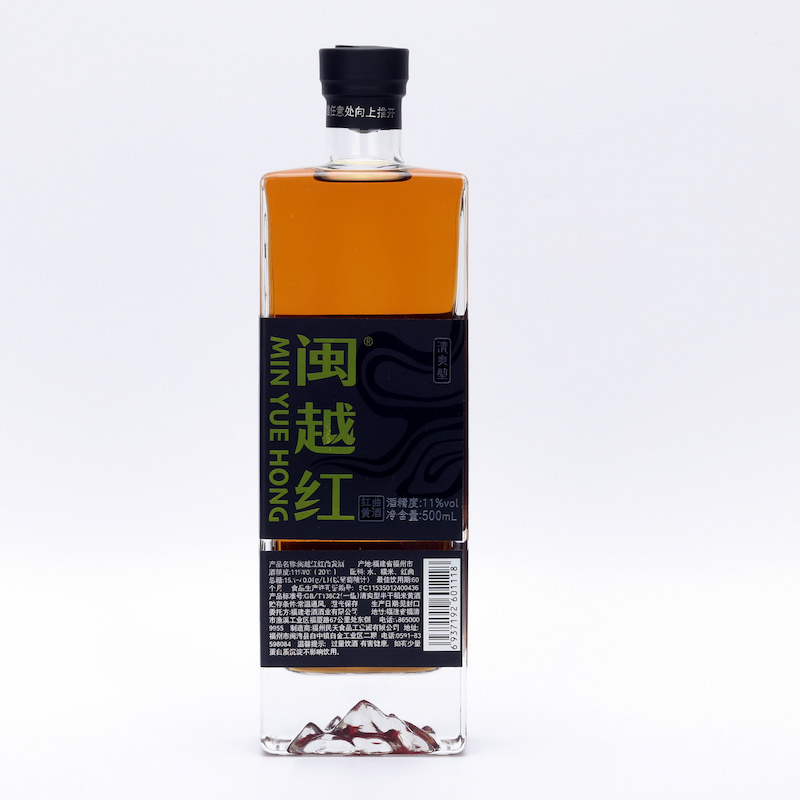
Metallic film labels are produced using materials such as Bright Silver PP or Metallic PET. The metallic appearance comes directly from the label substrate itself.
During printing, colored inks are applied over the metallic surface. Designers can leave selected areas uncovered to create metallic graphics, text, and decorative elements. This process is often referred to as silver reveal printing.
Common metallic film materials include:
These materials can be printed using flexographic, offset, or digital printing processes.
What Is Foil Stamping?
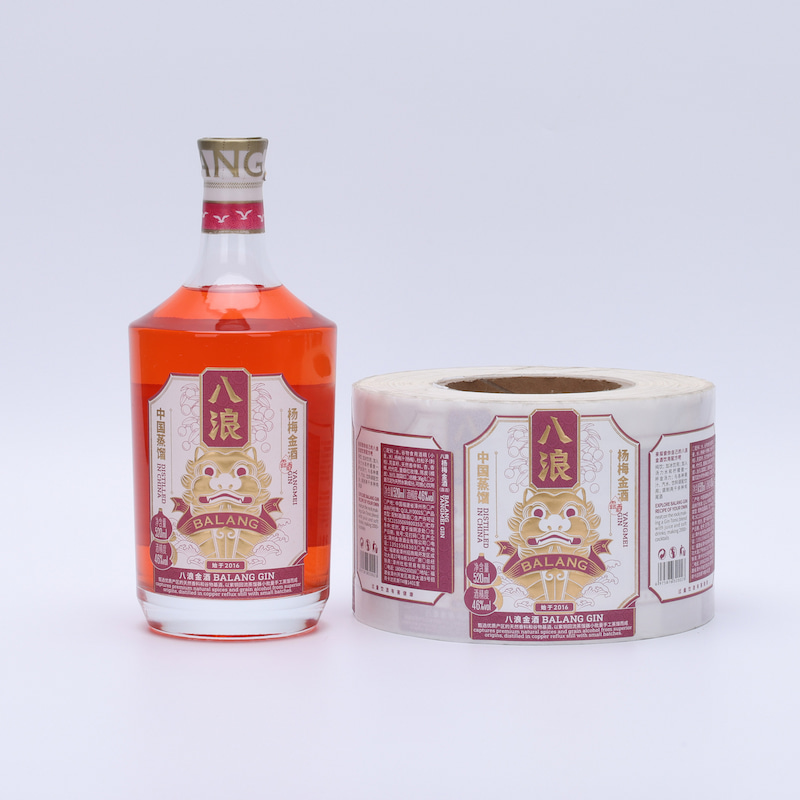
Foil stamping is a post-printing decoration process. A metallic foil is transferred onto the label surface using heat and pressure.
Foil stamping can create:
Unlike metallic film, foil stamping adds a separate decorative layer on top of the printed label.
Key Differences Between Metallic Film and Foil Stamping
| Feature | Metallic Film | Foil Stamping |
| Metallic Source | Metallic substrate | Applied foil layer |
| Production Process | Printing directly on metallic material | Additional finishing process |
| Cost | Generally lower for large metallic areas | Higher due to extra processing |
| Fine Detail Performance | Suitable for detailed graphics | Suitable for logos and decorative elements |
| Coverage Area | Large metallic backgrounds possible | Best for selective decoration |
| Production Speed | Faster production workflow | Additional production step required |
| Design Flexibility | Metallic effects integrated into artwork | Metallic effects applied to specific areas |
When Metallic Film Is the Better Choice
Large Metallic Areas
If your design includes large metallic backgrounds or extensive metallic graphics, metallic film is often the more efficient option.
Examples include:
Using foil stamping across large areas may increase production costs and complexity.
Detailed Artwork and Illustrations
Metallic film works well for artwork that contains:
Since the metallic effect comes from the substrate, designers can incorporate metallic elements throughout the artwork without creating separate foil stamping dies.
High-Volume Production
For large production runs, metallic film labels can reduce manufacturing steps because the metallic effect is already built into the material.
This can help improve production efficiency for:
Multi-Color Metallic Effects
Metallic film allows transparent and semi-transparent inks to interact with the silver substrate, creating different metallic color variations.
Examples include:
These effects can be difficult or costly to achieve using traditional foil stamping alone.
When Foil Stamping Is the Better Choice
Highlighting Specific Elements
Foil stamping is commonly used to emphasize:
The contrast between foil and printed areas can create a clear visual hierarchy.
Premium Gift Packaging
Many wine, spirits, and cosmetic brands use foil stamping for limited-edition or gift packaging because it creates a distinct decorative layer that can be combined with embossing.
Special Metallic Colors
Foil suppliers offer a wide range of colors and effects, including:
These finishes may not be achievable using standard metallic film materials.
Can Metallic Film and Foil Stamping Be Combined?
Yes.
Many premium labels combine metallic film with foil stamping to create multiple layers of visual effects.
For example:
This combination is frequently used on:
Typical Applications for Metallic Film Labels
Metallic film labels are commonly used for:
The material provides both decorative effects and durability for handling, transportation, and retail display.
Factors to Consider Before Choosing
Before selecting metallic film or foil stamping, consider:
Design Coverage
Does the design require large metallic areas or only small decorative accents?
Budget
Foil stamping involves additional tooling and production steps, which may increase costs.
Order Quantity
Large-volume projects often benefit from the efficiency of metallic film printing.
Production Timeline
Metallic film labels may have shorter production lead times because they require fewer finishing processes.
Visual Objectives
Consider whether the metallic effect should be integrated throughout the design or limited to specific brand elements.
Frequently Asked Questions
1. Is metallic film cheaper than foil stamping?
For designs with large metallic areas, metallic film is often more cost-effective because the metallic effect is built into the material rather than added during a separate finishing process.
2. Can metallic film achieve a gold appearance?
Yes. Transparent yellow, orange, or gold-toned inks can be printed on metallic silver film to create gold-like metallic effects.
3. Is foil stamping more durable than metallic film?
Both methods are durable when properly produced. Additional coatings or laminations can be added to improve abrasion resistance.
4. Can metallic film be used on beverage bottles?
Yes. Metallic PP and Metallic PET materials are commonly used for beverage, liquor, and supplement labels.
5. Can metallic film be combined with spot UV?
Yes. Spot UV, embossing, varnishing, and foil stamping can all be combined with metallic film labels.
6. Which option is better for detailed artwork?
Metallic film is generally more suitable for designs containing fine illustrations, small text, and large metallic graphic areas.
Conclusion
Both metallic film and foil stamping can create eye-catching label designs, but they serve different purposes. Metallic film is often the preferred choice for large metallic graphics, detailed artwork, and high-volume production, while foil stamping is commonly used to highlight logos and decorative accents.
By evaluating your design requirements, production volume, budget, and desired visual effect, you can determine which solution is best suited for your packaging project.
 +86 15805927008+86 15805928278
 Sales Executivelinda@jinkelabel.comSales Executiverosa@jinkelabel.comGeneral managerzane@jinkelabel.com
 No.99 Tongfu Road, Tongan district, Xiamen, China.

Our hours
Monday-Saturday: 8:00am-18:00pm